
What to Pack for a Liveaboard: Complete Dive Trip Packing List
A liveaboard dive trip is one of the best ways to explore remote reefs, islands, and marine life-rich destinations. Instead of returning to land each day, you travel by sea, waking up close to new dive sites and spending your days surrounded by ocean.
It is an unforgettable way to dive, but it also means packing well matters. Once your liveaboard departs, you will not have easy access to shopping malls, dive stores, pharmacies, or last-minute errands. That is part of the magic, but it also means a little preparation goes a long way.
Whether you are joining a liveaboard in Raja Ampat, Komodo, the Banda Sea, Cenderawasih Bay, Halmahera, Alor, or another remote diving destination, this liveaboard packing list will help you prepare for your trip with confidence.
Here is what to pack for a liveaboard, including dive gear, clothing, camera equipment, travel documents, toiletries, medication, and small items that can make your time on board even more comfortable.
Liveaboard Packing Overview
When packing for a liveaboard, think light, practical, and ocean-friendly. Life on board is relaxed, and most of your time will be spent diving, snorkelling, eating, resting, enjoying the views, or preparing for the next dive.
You do not need formal clothing, heavy shoes, or complicated outfits. You do need comfortable dive gear, sun protection, reef-safe products, travel essentials, and any personal items that may be difficult to find once the vessel has departed.
If you are bringing camera equipment, delicate electronics, medication, or important documents, keep them in your hand luggage during flights and transfers.
Essential Travel Documents
Before travelling for a liveaboard trip, make sure your important documents are organised and easy to access. Many liveaboard destinations require domestic flights, boat transfers, permits, or remote travel connections, so it is worth keeping both printed and digital copies of key information.
Documents to Bring
- Passport with sufficient validity
- Visa or arrival documents, if applicable
- International and domestic flight details
- Travel insurance details
- Dive insurance details
- Dive certification cards
- Nitrox certification card, if you plan to dive with Nitrox
- Logbook or digital dive record
- Emergency contact information
- Copies of your liveaboard booking documents
It is also helpful to keep screenshots of important information on your phone in case internet access is limited during travel.
Dive Gear for a Liveaboard Trip
Liveaboard diving often means several dives per day, sometimes across very different sites. You may dive reefs, walls, slopes, pinnacles, manta cleaning stations, sheltered bays, mangroves, jetties, or current-swept channels, depending on your itinerary.
If you own your own equipment, a liveaboard trip is a good time to bring it. Comfortable, familiar gear can make repetitive diving much more enjoyable.
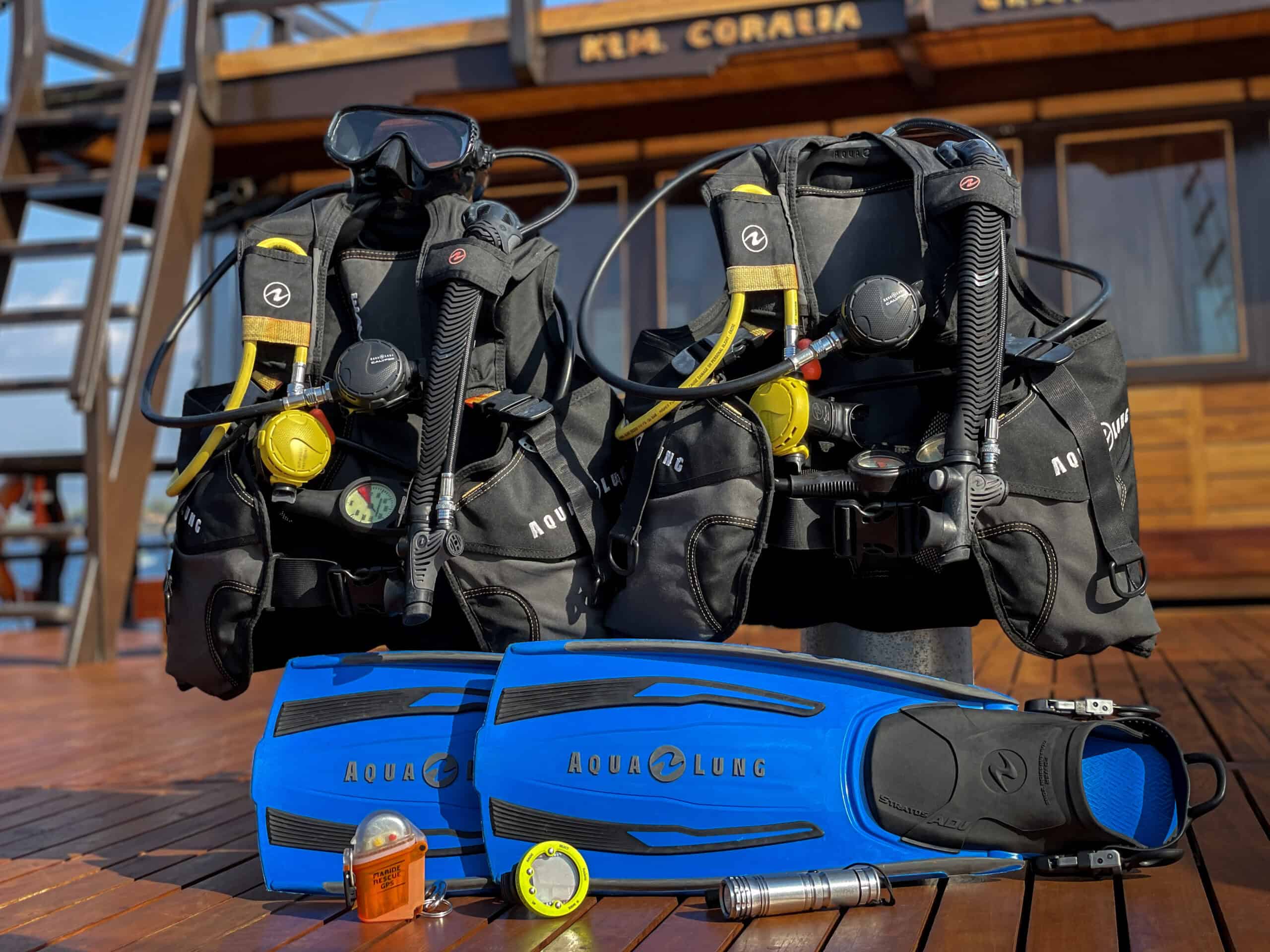
However, you do not need to travel with a full set of dive gear if you prefer to pack lighter. Coralia Liveaboards has rental dive equipment available on board, making it easier for guests who do not want to bring all of their own gear.
Recommended Dive Gear
- Mask
- Fins
- Booties, if using open-heel fins
- Wetsuit
- BCD
- Regulator
- Dive computer
- Dive torch for night dives
- Backup mask, if you have one
- Spare mouthpiece
- Mask strap or fin strap spares
On Coralia Liveaboards, a dive computer is mandatory. If you do not have your own, you can rent one from us on board. We also equip every dive team with a Nautilus Lifeline and surface marker buoy, or SMB, free of charge, so guests can dive with added safety support throughout the trip.
What Wetsuit Should You Bring on a Liveaboard?
The right wetsuit depends on the destination, season, and your personal comfort level. In many parts of Indonesia, including Raja Ampat, Cenderawasih Bay, Halmahera, and much of the Banda Sea, water temperatures are generally warm, often around 27 to 29°C.
Many divers are comfortable in a 3 mm wetsuit in warm tropical water. However, if you get cold easily, plan to do several dives per day, or enjoy long dives, you may prefer a 5 mm wetsuit or an extra layer.
Some destinations, such as southern Komodo or parts of Alor, can be cooler depending on the season and itinerary. Always check the expected water temperature for your specific trip before packing.
Good Exposure Protection Options
- 3 mm full wetsuit for warm tropical destinations
- 5 mm wetsuit for cooler destinations or divers who get cold easily
- Hooded vest or light hood
- Rash guard for snorkelling or sun protection
- Leggings or dive skins for extra warmth and protection
A full suit is often a better choice than short exposure protection because it can also help protect against minor scrapes, stinging plankton, and sun exposure during surface intervals.
Camera and Photography Gear
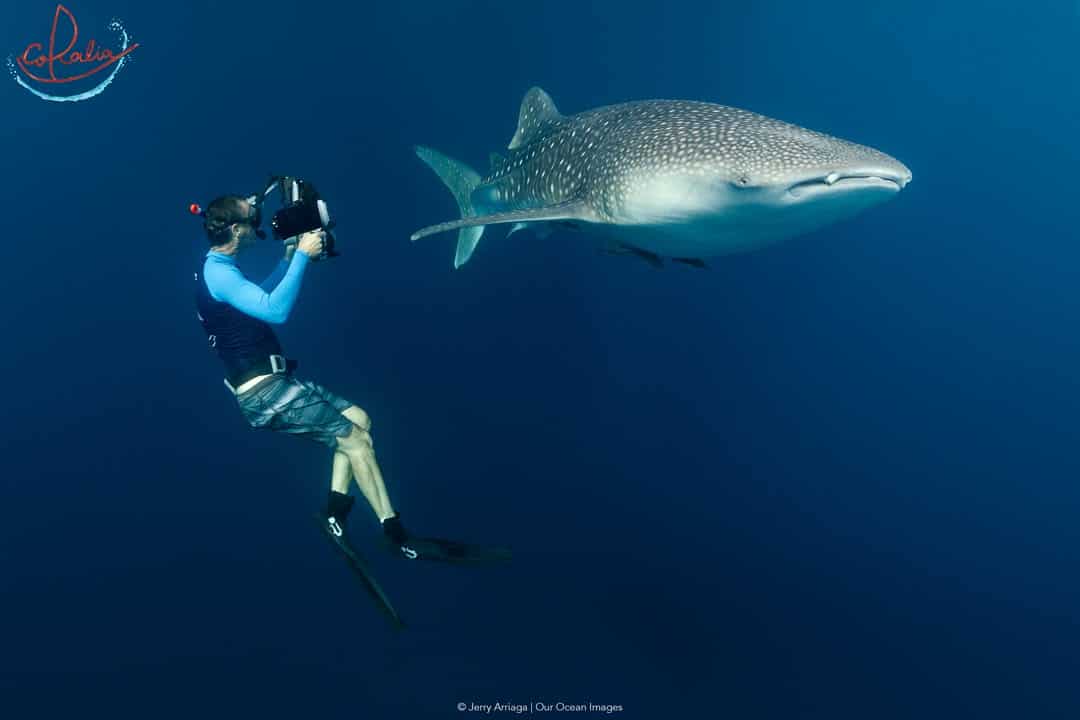
Liveaboards are popular with underwater photographers because they offer repeated access to beautiful dive sites, often in remote areas with exceptional marine life. If photography is a major part of your trip, prepare your equipment carefully before arrival.
Once the liveaboard departs, replacement parts and specialist camera accessories will not be easy to find.
Photography Packing List
- Camera body
- Underwater housing
- Ports and lenses
- Strobes or video lights
- Arms, clamps, floats, and trays
- Chargers and spare batteries
- Memory cards
- Card reader
- External hard drive or backup storage
- O-rings and grease
- Spare sync cords or fibre optic cables
- Lens cloths
- Power adapters
Bring more memory and backup storage than you think you need. Remote dive destinations have a way of turning even casual photographers into people who suddenly need thousands of extra image files!
Clothing for a Liveaboard
Life on board is relaxed and casual. Lightweight clothing is best, with a focus on comfort, sun protection, and quick-drying fabrics.
You will spend most of your time in swimwear, dive clothing, casual clothes, or something comfortable for relaxing between dives. Evenings are informal, so there is no need to pack anything dressy unless you personally want to.
Recommended Clothing
- Swimwear
- Rash guards or sun shirts
- Lightweight T-shirts
- Shorts
- Light trousers or cover-ups
- Comfortable clothes for evenings
- Light sweater or long-sleeve layer for breezy evenings
- Underwear
- Sleepwear
- Wide-brimmed hat or cap
- Sunglasses
Avoid overpacking clothes. Liveaboard life is simple, and most guests end up wearing the same comfortable favourites again and again. Coralia Liveaboards offers onboard laundry service so you can always have clean, fresh clothes during your trip!
Footwear
You will not need much footwear on a liveaboard. Most time on board is spent barefoot!
Footwear to Pack
- Flip-flops or sandals
- Comfortable shoes for travel days
- Light walking shoes or water shoes for land excursions, if desired
For viewpoints, village visits, or short island walks, comfortable lightweight footwear is useful. Heavy hiking boots are usually unnecessary unless your itinerary specifically includes more demanding land activities.
Sun Protection
The sun can be strong during boat rides, surface intervals, land excursions, and time on deck. Good sun protection is essential on any tropical liveaboard trip.
Sun Protection Essentials
- Reef-safe sunscreen
- Wide-brimmed hat or cap
- Polarised sunglasses
- Long-sleeve rash guard
- Lightweight cover-up
- Lip balm with SPF
Whenever possible, physical sun protection is better than relying only on sunscreen. Long sleeves, hats, and shade help protect both your skin and the marine environment.
Toiletries and Personal Care
Pack the toiletries you normally use, but keep them simple and ocean-friendly. Products can enter the water through swimming, showering, and wastewater systems, so reef-safe and biodegradable options are recommended whenever possible.
Toiletries to Bring
- Toothbrush and toothpaste
- Deodorant
- Hairbrush or comb
- Moisturiser
- Reef-safe sunscreen
- After-sun lotion or aloe vera
- Razor, if needed
- Menstrual products, if needed
- Contact lenses and solution, if needed
You do not need to bring shampoo, conditioner, and body wash as Coralia provides quality reef safe products from Sensatia. If you use specific personal care products, bring enough for the full trip. Once the liveaboard leaves port, access to shops and specific brands will not be possible.
Medication and First Aid
Liveaboards carry first aid supplies, but guests should always bring their own personal medication and basic comfort items. If you rely on prescription medication, pack enough for your trip plus extra in case of travel delays.
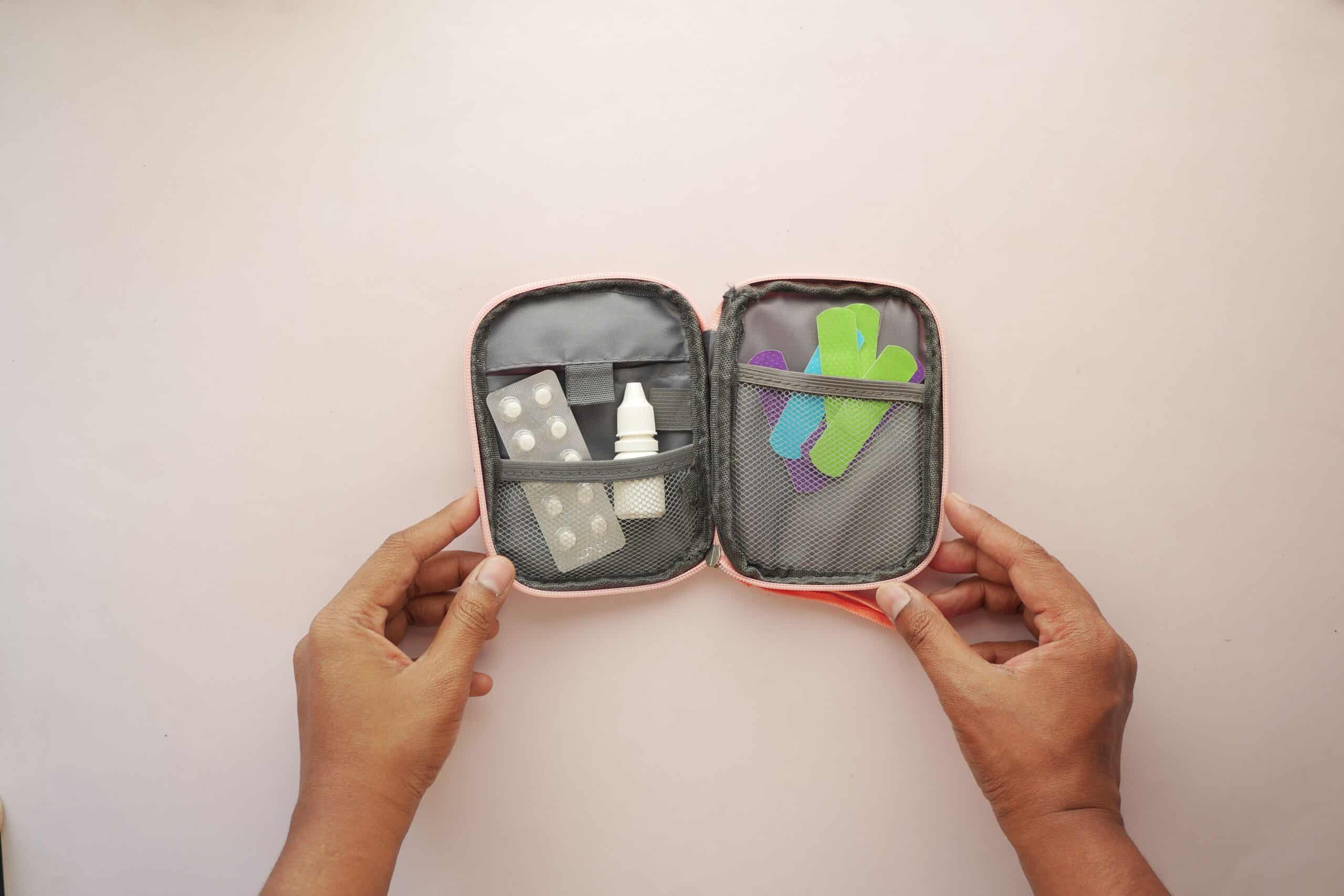
Personal Medical Items to Pack
- Prescription medication
- Seasickness medication
- Pain relief medication
- Antihistamines
- Anti-diarrhoea medication
- Rehydration salts
- Motion sickness bands or patches, if useful for you
- Personal first aid items
- Any allergy medication you may need
- Spare glasses or contact lenses
If you are prone to seasickness, speak with a doctor or pharmacist before your trip and test any medication before boarding if possible. It is better to know how your body reacts before you are several hours into a remote liveaboard cruise.
Electronics and Charging
Most guests travel with phones, cameras, tablets, laptops, dive computers, lights, and other rechargeable devices. Bring the chargers and adapters you need, and consider how you will organise them in your cabin.
Useful Electronics
- Phone and charger
- Camera chargers
- Dive computer charger or battery kit
- Power bank
- Travel adapter
- Headphones
- E-reader or tablet
- Laptop, if needed
- Small dry bag for electronics during transfers
Indonesia uses 220V power with European-style two-pin plugs in many places, so check your devices and bring the correct adapters before travelling. Coralia Liveaboards asks that you do not leave unattending items charging in your cabin. You will always have a dry place to charge your equipment in the camera room and in our restaurant lounge area should you wish to charge an item while you’re not in your cabin.
Reusable and Eco-Friendly Items
Liveaboards often operate in remote and highly biodiverse marine environments, so every traveller has a responsibility to help reduce their impact. Packing reusable and low-waste items is a simple way to support more responsible travel.
Eco-Friendly Items to Consider
- Reusable dry bag
- Reef-safe sunscreen
- Biodegradable toiletries
- Reusable shopping bag for travel days
- Rechargeable batteries
- Minimal single-use plastic packaging
Before packing, remove unnecessary packaging from toiletries, batteries, snacks, and accessories. It is much easier to dispose of packaging responsibly at home than in a remote island destination. Coralia Liveaboards provides you with a reusable water bottle so no need for you to pack one!
Cash and Payments
Many liveaboard destinations are remote, and ATM access can be limited once you leave larger towns. Bring enough cash for personal expenses, tips, souvenirs, or small purchases before and after your cruise.
It is also helpful to have local currency in smaller denominations, especially for travel days, local purchases, or airport expenses.
Payment Tips
- Bring local currency for small expenses
- Check which onboard payments are accepted before travelling. Coralia Liveaboards accepts Visa/Mastercard payments on board.
- Do not rely on finding an ATM after boarding
- Keep cash in a safe, dry place
Packing for an Indonesia Liveaboard
Indonesia is one of the world’s best liveaboard destinations, with itineraries exploring regions such as Raja Ampat, Komodo, the Banda Sea, Cenderawasih Bay, Halmahera, Alor, Ambon, and the Forgotten Islands.
Because these areas are remote, packing well is especially important. Depending on the itinerary, you may fly into places such as Sorong, Labuan Bajo, Ambon, Manado, Maumere, or another regional gateway before boarding your vessel.
Warm tropical conditions are common, but water temperature and weather can vary by region. Raja Ampat, Cenderawasih Bay, Halmahera, and many Banda Sea itineraries are generally warm, while southern Komodo and parts of Alor can be cooler. Always check your specific itinerary before deciding on wetsuit thickness and clothing layers.
For most Indonesia liveaboard trips, the essentials remain the same: comfortable dive gear, light clothing, sun protection, personal medication, travel documents, and camera equipment if you plan to shoot underwater.
What Not to Pack
Just as important as knowing what to bring is knowing what to leave behind. Cabins are comfortable, and on Coralia Liveaboards luggage is stored separately after unpacking, but it is still best to pack practically for life on board.
Items You Probably Do Not Need
- Formal clothing
- High heels or dress shoes
- Too many outfits
- Heavy jackets, unless travelling to a cooler dive region
- Non-reef-safe sunscreen
- Single-use plastic items
- Valuables you do not need for the trip
- Shampoo, conditioner, body wash (we provide them!)
Pack for comfort, diving, warm weather, and remote travel. That is the winning formula.
Final Liveaboard Packing Checklist
Travel Essentials
- Passport
- Visa documents, if needed
- Flight details
- Travel insurance
- Dive insurance
- Dive certification cards
- Local currency
Dive Gear
- Mask
- Fins
- Wetsuit
- BCD
- Regulator
- Dive computer, or rent one on board
- Torch
- Spare straps or small save-a-dive items
If you prefer not to travel with all of your own equipment, Coralia Liveaboards has rental dive gear available on board. Each dive team is also equipped with a Nautilus Lifeline and SMB free of charge.
Clothing
- Swimwear
- Rash guards
- T-shirts
- Shorts
- Light trousers or cover-ups
- Sleepwear
- Hat
- Sunglasses
- Sandals
Personal Items
- Toiletries
- Medication
- Seasickness remedies
- Reef-safe sunscreen
- After-sun lotion
- Reusable water bottle
- Dry bag
Electronics
- Phone
- Chargers
- Travel adapter
- Power bank
- Camera equipment
- Memory cards
- Backup storage
Final Thoughts
Packing for a liveaboard does not need to be complicated. Focus on the essentials: comfortable dive gear, lightweight clothing, sun protection, travel documents, personal medication, and any camera equipment you need for the trip.
If you prefer to travel light, Coralia Liveaboards has rental dive gear available on board, including dive computers for guests who do not have their own. Every dive team is also equipped with a Nautilus Lifeline and SMB free of charge.
Once you are on board, the experience is beautifully simple. Dive, eat, rest, explore, repeat. The less you worry about missing items, the more you can focus on the reefs, the marine life, the landscapes, and the feeling of being completely surrounded by the ocean.
With a little preparation, your liveaboard packing list will help you feel ready for every dive, every island view, and every unforgettable moment along the way.
FAQ
What should I pack for a liveaboard?
Pack dive gear, lightweight clothing, reef-safe sun protection, travel documents, medication, toiletries, electronics, chargers, and any camera equipment you need. On Coralia Liveaboards, luggage is stored outside the cabins in a dedicated luggage space after unpacking.
Do I need a wetsuit for a liveaboard?
Yes. The best wetsuit depends on your destination and personal comfort. Many warm-water liveaboard destinations are suitable for a 3 mm wetsuit, while cooler destinations may require a 5 mm wetsuit or an extra layer.
Can I rent dive gear on board?
Yes. Coralia Liveaboards has rental dive equipment available on board for guests who prefer not to travel with their own full set of gear. If you need specific rental items, it is best to confirm your sizes and requirements before the trip.
Do I need my own dive computer?
A dive computer is mandatory on Coralia Liveaboards. If you do not have your own, you can rent one from us on board.
Do I need to bring my own SMB or Nautilus Lifeline?
No. Coralia Liveaboards equips every buddy team with a Nautilus Lifeline and SMB free of charge. Guests who prefer to use their own familiar safety equipment are welcome to bring it!
Can I bring a hard suitcase on a liveaboard?
Yes. On Coralia Liveaboards, guest luggage is stored outside the cabins in a dedicated luggage space after unpacking. This keeps cabins comfortable and uncluttered throughout the trip.
Should I bring reef-safe sunscreen?
Yes. Reef-safe sunscreen is recommended, along with physical sun protection such as rash guards, hats, sunglasses, and lightweight cover-ups.
Should I bring my own camera gear on a liveaboard?
If you enjoy underwater photography, a liveaboard is a great opportunity to bring camera gear. Make sure to pack spare batteries, memory cards, chargers, O-rings, and backup storage.
What clothes do I need on a liveaboard?
Light, casual clothing is best. Pack swimwear, rash guards, T-shirts, shorts, light trousers, sleepwear, a hat, sunglasses, and a light long-sleeve layer for breezy evenings.
Do I need seasickness medication?
If you are prone to motion sickness, bring seasickness medication and speak with a doctor or pharmacist before travelling. It is better to be prepared, especially on longer crossings or in changing sea conditions.