
Best Time to Dive Raja Ampat: Season, Weather and Marine Life
Raja Ampat is one of those rare destinations that truly lives up to its reputation. Remote, wildly beautiful, and surrounded by some of the richest reefs on earth, this Indonesian archipelago is a dream destination for divers, snorkellers, photographers, and nature lovers.
But once you decide you want to visit, the next question is usually:
When is the best time to dive Raja Ampat?
The short answer is that Raja Ampat can offer excellent diving throughout the year, but the best time for a liveaboard trip is generally between September and May. During this period, conditions are usually more suitable for exploring a wider range of regions, including Central Raja Ampat, North Raja Ampat, Batanta, and Misool.
That said, Raja Ampat is a vast archipelago, and conditions can vary from one area to another. The best time for your trip depends on what you want to see, where you want to dive, and what kind of experience you are looking for.
Here is what you need to know before planning your Raja Ampat dive holiday.
Raja Ampat Diving Season
Raja Ampat’s main liveaboard season typically runs from September to May. This is when many vessels operate in the region, taking advantage of generally favourable sea conditions and access to the archipelago’s most iconic dive areas.
For divers joining a liveaboard, this season offers the best opportunity to experience the variety that makes Raja Ampat so special. A well-planned itinerary may include vibrant reefs, manta cleaning stations, dramatic seascapes, fish-filled channels, sheltered bays, macro sites, mangroves, and remote limestone islands.
While resort diving is possible in parts of Raja Ampat year-round, liveaboard itineraries are more seasonal because they cover longer distances and depend more heavily on regional sea conditions.
Understanding Raja Ampat’s High and Low Season
When people talk about “high season” and “low season” in Raja Ampat, it is important to understand where those terms come from. In many cases, the seasonality is shaped by liveaboard movements rather than the quality of the diving itself.
Many Indonesian liveaboards move between Raja Ampat and other destinations such as Komodo, Alor, Halmahera, Cenderawasih Bay, or the Banda Sea throughout the year. There are two seasonal windows when vessels can safely cross the Banda Sea between Sorong (the hub for diving in Raja Ampat) and other regions. As liveaboards leave Raja Ampat and reposition to other parts of Indonesia, this period has become known as the “low season” in Raja Ampat.
However, low season does not mean poor diving.
Some areas are more affected by seasonal winds and sea conditions than others. Misool, for example, usually closes from June to September because the winds and sea conditions can make access more difficult. This is one reason many liveaboards do not operate full Raja Ampat itineraries during those months.
The Dampier Strait, however, can still offer excellent diving during this period. In fact, one of the advantages of visiting during the quieter months is that there are far fewer divers in the water. With fewer liveaboards in the region, dive sites can feel more peaceful, and guests staying at land-based resorts may enjoy beautiful reefs with less traffic.
So while September to May is generally considered the main Raja Ampat liveaboard season, Raja Ampat itself should not be dismissed outside those months. The best option depends on where you want to dive, how you want to travel, and whether you are planning a liveaboard or resort-based stay.
September to November: The Start of the Season
September marks the beginning of the main Raja Ampat liveaboard season. This is when vessels begin returning to the area after spending time in other regions of Indonesia.
Early season trips can be a beautiful time to visit. Reefs are vibrant, marine life is active, and the region begins welcoming divers back into its peak cruising period.
Conditions can still vary as the season transitions, but September, October, and November are often excellent months for divers who want strong marine life encounters without travelling during the busiest holiday periods.
This time of year can be especially appealing for photographers, as the reefs are full of colour and the landscapes feel lush and dramatic.
December to February: Peak Raja Ampat Diving Season
December, January, and February are often considered some of the best months to dive Raja Ampat. These months fall within the heart of the main liveaboard season, when conditions are usually well suited to exploring multiple areas of the archipelago.
This is also a popular period for travellers escaping winter in Europe, North America, and other colder regions. Because of this, liveaboard spaces can book far in advance, especially over Christmas, New Year, and school holiday periods.
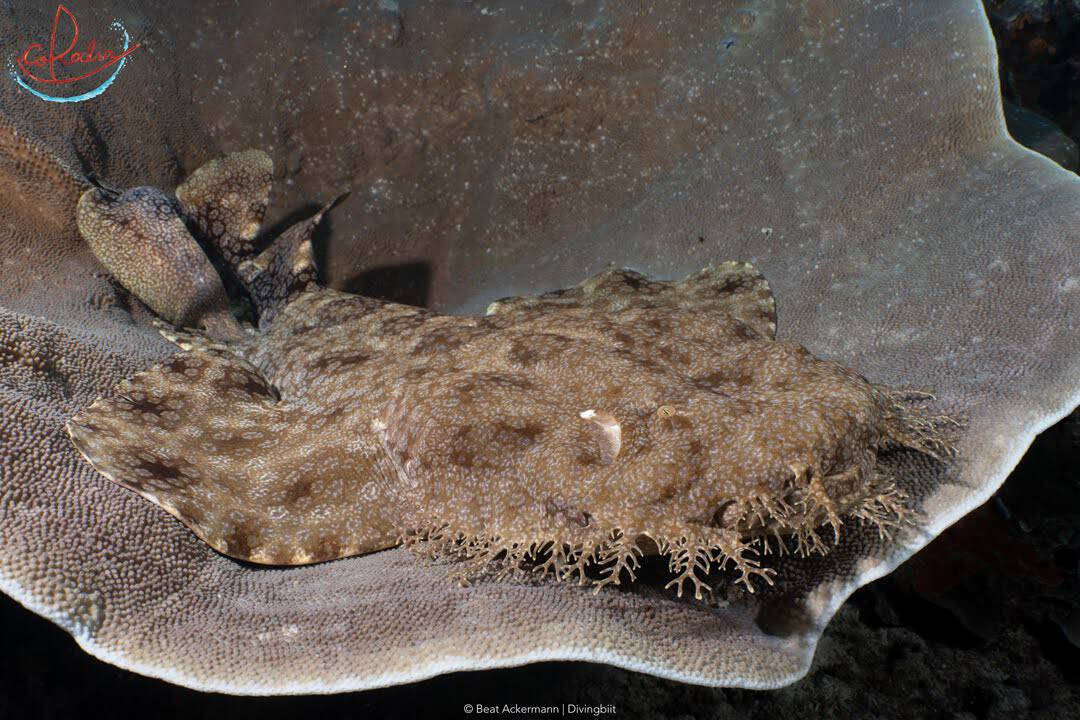
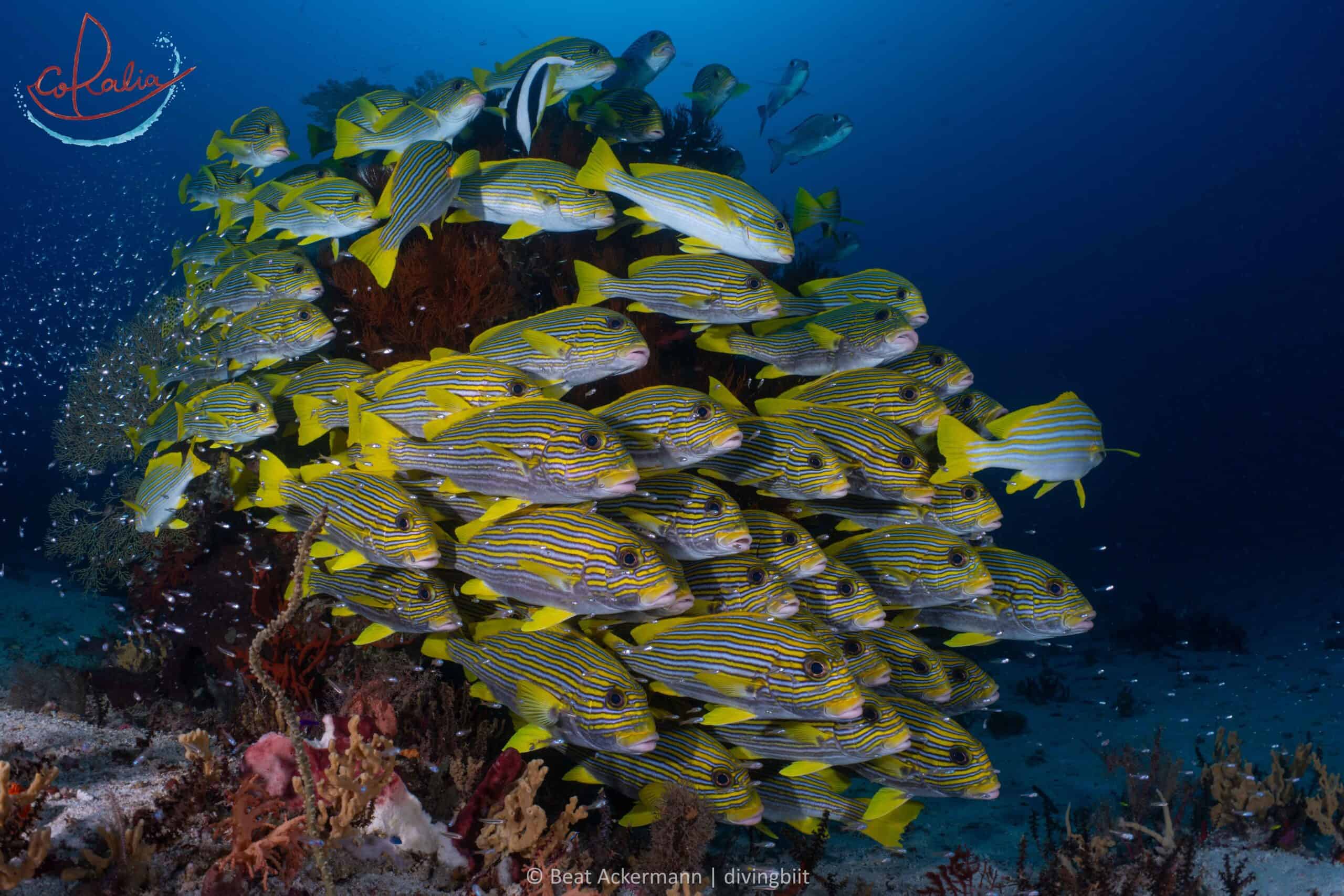
Marine life is abundant, reefs are healthy and colourful, and manta ray encounters are possible in several areas. Divers may also see reef sharks, turtles, wobbegong sharks, schools of fusiliers, sweetlips, barracuda, jacks, and endless reef fish.
For many guests, this is the classic Raja Ampat experience.
March to May: Beautiful Conditions and Excellent Marine Life
March, April, and May can be fantastic months to visit Raja Ampat. These months are still within the main liveaboard season and can offer excellent diving, beautiful scenery, and strong marine life encounters.
As the season progresses, some areas may feel quieter than the peak holiday months. This can make March to May especially appealing for divers who prefer a slightly calmer travel period while still enjoying outstanding underwater conditions.
For liveaboard guests, these months can offer a wonderful balance of dive variety, marine life, and scenic cruising.
June to August: Can You Dive Raja Ampat?
Yes, diving is still possible in Raja Ampat from June to August, especially from land-based resorts like Papua Explorers Eco Resort.
This period is often called the low season, but that can be misleading. In Raja Ampat, “low season” is largely connected to liveaboard logistics. Many vessels leave the region during this time and reposition to other Indonesian destinations, using seasonal crossing windows to move between Sorong, the Banda Sea, Komodo, Alor, Halmahera, or Cenderawasih Bay.
Because fewer liveaboards operate in Raja Ampat during these months, the region becomes quieter. Some areas, especially Misool, are affected by seasonal winds and usually close from June to September. However, diving around the Dampier Strait can still be excellent, with the added benefit of fewer divers and less boat traffic at the dive sites.
For travellers who specifically want a Raja Ampat liveaboard experience, September to May is usually the better planning window. But for guests considering a resort-based stay, June to August can still offer beautiful diving in the right areas.
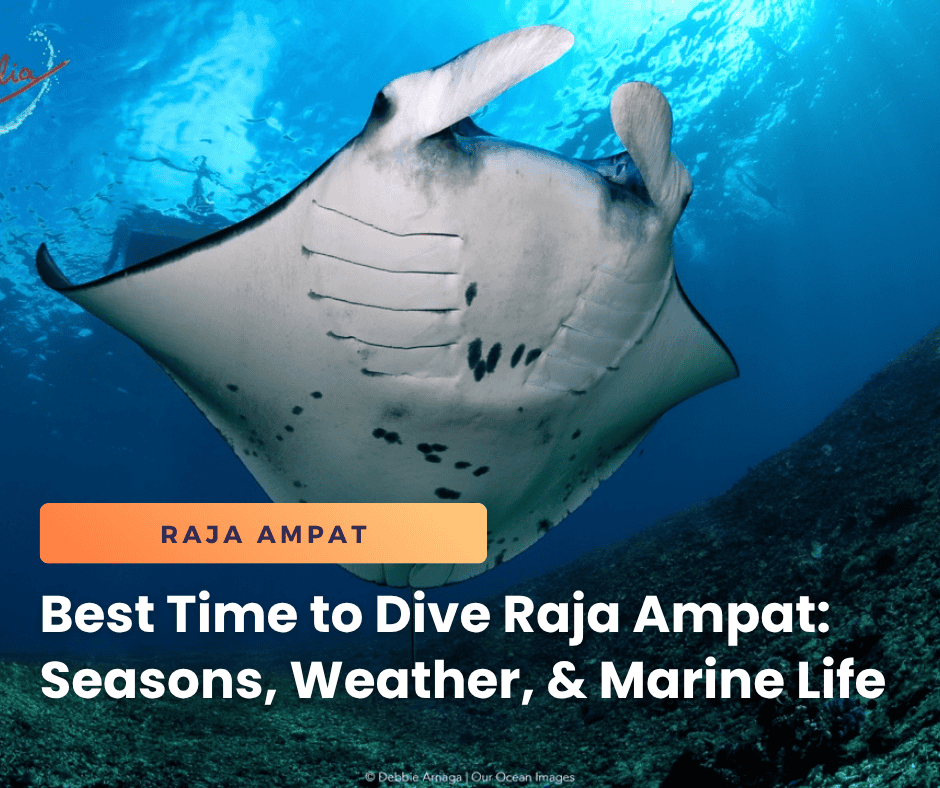
When Is the Best Time to See Manta Rays in Raja Ampat?
Manta rays are one of Raja Ampat’s most iconic marine encounters. Both reef mantas and oceanic mantas can be seen in the region, although sightings always depend on conditions, plankton, tides, and a little bit of luck.
The main Raja Ampat liveaboard season, from September to May, is generally a strong period for manta encounters. Sites such as cleaning stations and feeding areas may offer unforgettable moments when conditions align.
As with all wildlife, there are no guarantees. But travelling during the main season gives divers a strong chance of including manta-focused dive sites in the itinerary when conditions are suitable.
What Marine Life Can You See in Raja Ampat?
Raja Ampat is famous for biodiversity. The region sits within the Coral Triangle, and its reefs are home to an extraordinary variety of marine life.
Depending on the itinerary, season, and dive sites, divers may encounter:
Iconic Raja Ampat Marine Life
- Manta rays
- Wobbegong sharks
- Reef sharks
- Turtles
- Napoleon wrasse
- Bumphead parrotfish
- Barracuda
- Jacks
- Trevally
- Sweetlips
- Fusiliers
- Anthias
- Pygmy seahorses
- Nudibranchs
- Ghost pipefish
- Octopus
- Cuttlefish
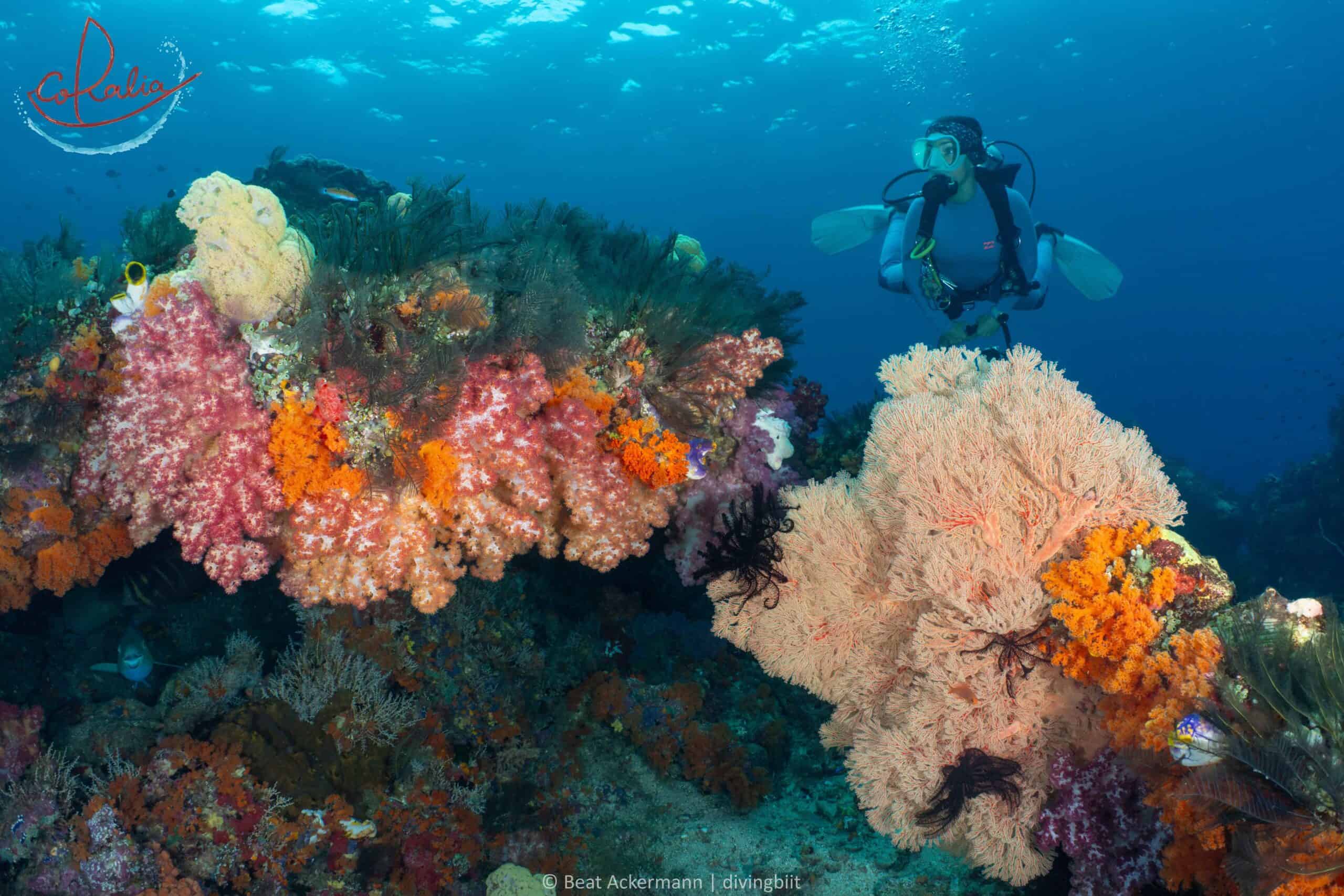
- Colourful soft corals
- Huge sea fans
- Hard coral gardens
One of the joys of diving Raja Ampat is the variety. One dive may be all about schooling fish and current-swept reefs. The next may be slow, sheltered, and full of macro life. This diversity is one of the reasons liveaboards are such a rewarding way to explore the region.
What Is the Water Temperature in Raja Ampat?
Water temperatures in Raja Ampat are generally warm, usually around 28 to 29°C. Most divers are comfortable in a 3 mm wetsuit, although some prefer a 5 mm suit if they get cold easily or plan to do several dives per day.
Because liveaboard diving often includes multiple dives each day, it is worth bringing exposure protection that keeps you comfortable over the full trip. Even in warm water, repetitive diving can feel cooler over time.
A hooded vest, light hood, or extra layer can be useful for guests who tend to get cold easily.
What Is the Visibility Like in Raja Ampat?
Visibility in Raja Ampat can vary depending on location, tides, plankton, weather, and currents. Some dives may offer clear blue water, while others may have lower visibility because of plankton or nutrient-rich conditions.
This is part of what makes Raja Ampat so alive. The same nutrients that can reduce visibility are also part of the reason the reefs are so productive and full of marine life.
For underwater photographers, this means being flexible. Wide-angle scenes can be breathtaking when visibility is good, while macro life and reef details offer excellent subjects when conditions are more intimate.
What Is the Weather Like in Raja Ampat?
Raja Ampat has a tropical climate, so warm temperatures and occasional rain are possible throughout the year. Even during the main diving season, rain showers can happen, often passing quickly.
Travellers should not think of Raja Ampat in terms of a perfectly dry season and a completely wet season. The region is tropical and remote, so weather can shift. The more important factor for liveaboard planning is usually sea condition and regional accessibility rather than whether there might be a passing shower.
Pack light, breathable clothing, sun protection, and a light rain jacket or cover-up for boat transfers and land excursions.
Is Raja Ampat Suitable for Beginner Divers?
Raja Ampat can be suitable for less experienced divers, but it is important to choose the right operator, itinerary, and dive conditions.
The region has a wide range of dive sites, from calm sheltered reefs to current-swept channels and advanced sites. Currents are part of what makes Raja Ampat so rich in marine life, but they also require careful dive planning and experienced guides.
On Coralia Liveaboards, diving is conducted in small groups, with a maximum of four guests per guide. This helps keep dives more personal and allows guides to adapt to guest experience, comfort, and conditions.
If you are newer to diving, it is a good idea to build confidence before your trip. Practice buoyancy, comfortable descents, mask skills, and safe ascents. Raja Ampat is far more enjoyable when you feel relaxed underwater.
Why Choose a Liveaboard During Raja Ampat Season?
A liveaboard is one of the best ways to experience Raja Ampat because it allows you to explore multiple regions in one trip.
Rather than staying in one location and visiting nearby dive sites, a liveaboard moves through the archipelago. This gives guests access to a wider variety of reefs, landscapes, and marine environments.
On a Raja Ampat liveaboard, the journey is part of the experience. You may wake up near limestone islands, dive beneath clouds of fish, cruise past jungle-covered cliffs, visit viewpoints, snorkel in blue lagoons, and watch the sunset from the deck before moving to a new area overnight.
For divers who want to experience the scale and diversity of Raja Ampat, a liveaboard is hard to beat.
When Should You Book a Raja Ampat Liveaboard?
Because Raja Ampat is a remote and highly sought-after destination, it is wise to book early. Popular months, especially December, January, February, and holiday periods, can fill well in advance.
Booking early also gives you more choice of cabin, itinerary, and travel dates. This is especially important if you are travelling as a couple, with friends, or as part of a group.
You should also allow enough time to plan international flights, domestic flights to Sorong, travel insurance, dive insurance, and any pre or post-trip arrangements in Indonesia.
How to Choose Your Raja Ampat Travel Dates
The best travel dates depend on your priorities.
Choose September to November if:
You want early season diving and a slightly quieter period.
Choose December to February if:
You want to travel during the heart of the main liveaboard season and do not mind booking early for peak dates.
Choose March to May if:
You want excellent diving later in the season, often with a slightly calmer feel than the busiest holiday months.
Choose June to August if:
You are considering a resort-based stay in an area such as the Dampier Strait, or if your travel dates are fixed and you want to explore land-based options.
For a Coralia Liveaboards trip, the best approach is to review the Raja Ampat itineraries available during your preferred travel window and choose the route that best matches your interests.
Final Thoughts
The best time to dive Raja Ampat depends on the kind of trip you want, but for most liveaboard guests, September to May is the ideal season.
This period offers the best opportunity to explore the region by sea, visit multiple areas, and experience the variety that makes Raja Ampat one of the world’s most celebrated diving destinations.
However, Raja Ampat’s so-called low season should not be misunderstood. In many ways, it reflects the movement of liveaboards around Indonesia, not a sudden drop in the quality of the diving. While some areas, such as Misool, are more affected by seasonal winds, other areas, especially the Dampier Strait, can still offer excellent diving with fewer boats and fewer divers.
Whether you are hoping for manta rays, colourful reefs, dramatic island scenery, macro life, schooling fish, or simply the feeling of being surrounded by untouched nature, Raja Ampat is unforgettable.
The key is choosing the right season, the right itinerary, and the right style of trip.
With Coralia Liveaboards, guests can explore Raja Ampat in comfort, guided by an experienced crew who understand the rhythm of the region, the movement of the tides, and the magic of this extraordinary archipelago.
FAQ
What is the best month to dive Raja Ampat?
December to February are often considered peak months, but September to May can all offer excellent Raja Ampat diving. The best month depends on your preferred itinerary, travel dates, and availability.
When is Raja Ampat liveaboard season?
The main Raja Ampat liveaboard season generally runs from September to May. This is when conditions are usually better suited to exploring multiple areas of the archipelago by vessel.
Can you dive Raja Ampat year-round?
Yes, diving is possible in Raja Ampat year-round, especially from land-based resorts in certain areas. However, most liveaboards operate in Raja Ampat during the main season from September to May.
Is Raja Ampat low season bad for diving?
No. Raja Ampat’s low season is largely connected to liveaboard logistics and seasonal vessel movements. Some areas, such as Misool, are more affected by winds and may close from June to September, but diving around the Dampier Strait can still be excellent during these months.
Why do liveaboards leave Raja Ampat in low season?
Many liveaboards move between Raja Ampat and other Indonesian destinations such as Komodo, Alor, Halmahera, Cenderawasih Bay, or the Banda Sea. There are specific seasonal windows when vessels can safely cross the Banda Sea, which influences when many liveaboards reposition.
Is Misool open all year?
Misool is usually closed from June to September because seasonal winds and sea conditions can make access more difficult. Travellers who want to dive Misool are generally better suited to the main Raja Ampat liveaboard season.
Can you dive the Dampier Strait in low season?
Yes. The Dampier Strait can offer excellent diving outside the main liveaboard season. With fewer liveaboards in the region, dive sites may also be quieter, with fewer divers and less boat traffic.
When can you see manta rays in Raja Ampat?
Manta rays can be seen during the main Raja Ampat diving season, especially when conditions are favourable at cleaning stations and feeding areas. Sightings depend on plankton, tides, site conditions, and wildlife behaviour.
Is Raja Ampat good for underwater photography?
Yes. Raja Ampat is one of the world’s best destinations for underwater photography, offering wide-angle reefs, schooling fish, manta rays, colourful soft corals, dramatic seascapes, and excellent macro subjects.
What wetsuit do I need for Raja Ampat?
Most divers are comfortable in a 3 mm wetsuit, as water temperatures are usually around 28 to 29°C. If you get cold easily or plan to do multiple dives per day, a 5 mm wetsuit or extra layer may be more comfortable.
Where do Raja Ampat liveaboards depart from?
Most Raja Ampat liveaboards depart from Sorong in West Papua, Indonesia. Guests usually fly into Sorong before boarding the vessel.